The Evidence Window: ANPR, Video and the Claims That Outlive Them
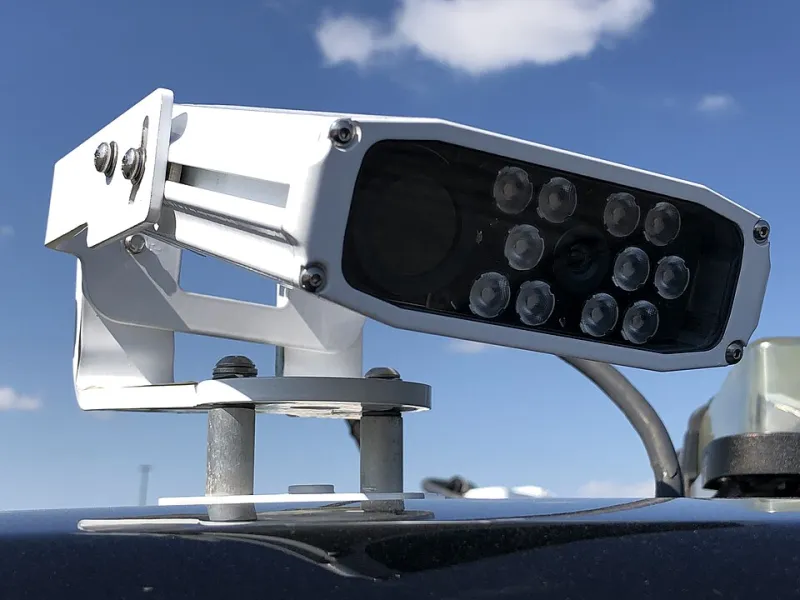
Photo: Mbrickn, CC BY 4.0, via Wikimedia Commons
At the gate, memory is short. A vehicle arrives, a seal is checked, a container is lifted and the next unit moves forward. Weeks later, a claim arrives alleging damage, a missing seal, detention or demurrage. The gate records that could settle the question may already have been overwritten. For port-centric sites, camera and ANPR evidence is not a security accessory. It is part of the commercial and customs record.
The records a gate actually holds
A modern gate produces several streams: ANPR plate reads, vehicle images, overview video, weighbridge data, seal images and driver access records. Each has a different purpose and a different retention need. ANPR may be used for traffic management, security, customs boundary control or commercial claims. Video may capture damage, queue time or the condition of a trailer. The first audit step is an inventory: what is recorded, where it is stored, who can access it and how long it is kept.
Retention by purpose
Retention is a decision, not a default. A short period may be enough for traffic flow analysis, while a damage or demurrage claim may require longer. The schedule should state the purpose, the retention period, the deletion method and the owner. Legal hold is the exception: when a dispute is reasonably anticipated, automated overwrite should be suspended and the relevant footage exported and preserved. That procedure should be tested, not assumed.
Chain of custody from camera to claim
Evidence is only useful if it can be shown to be what it claims to be. Time synchronisation across cameras, ANPR and the gate system is essential. An export should carry metadata, a hash or equivalent integrity check, and an audit trail showing who exported it and when. Store the exported copy in a controlled location. Avoid editing the original. If a third party operates the gate system, the contract should set out preservation, access and production obligations.
Lawful access and GDPR
ANPR and video showing individuals are personal data. The lawful basis should be documented: legitimate interests for security and commercial evidence, or legal obligation where a specific duty applies. Data minimisation matters. Retain what is necessary for the stated purpose and no more. Access should be role-based, with logs reviewed periodically. Subject access requests and erasure requests need a route through the organisation. A data protection impact assessment is sensible for ANPR, and privacy notices at the gate should be clear about what is captured and why.
Customs and freeport boundaries
Freeport and customs sites add another layer. ANPR can evidence vehicle movements across a boundary, and video can support the physical controls that customs expects. But customs records have their own retention requirements. Do not conflate a security retention period with a customs or commercial one. If an ANPR record may be needed for a customs audit, the retention schedule should say so and the export process should preserve the context.
A quarterly audit
The audit can be simple. Check the inventory against the retention schedule. Test recording continuity on a sample of cameras. Verify time sync. Export a test clip and confirm that it can be played and authenticated. Review access logs for unusual activity. Confirm that legal hold can be applied and released. Check that haulier contracts require cooperation with evidence requests. Train gate staff on what to preserve and who to call.
Evidence is a process, not a device. The camera is only the witness if the record survives, remains unaltered and can be produced lawfully. A quarterly check is cheaper than losing the argument by default.