Clearance at the Chokepoint: A Broker Capacity Audit for Port-Centric Warehouses
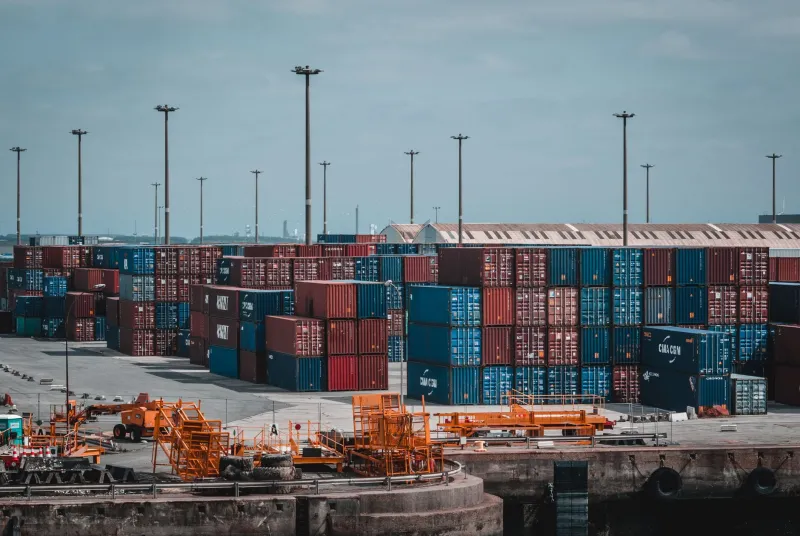
Port-centric logistics compresses the distance between quay and racking, but it does not automatically compress the time spent between discharge and availability. In many UK port-centric warehouses, the critical path runs through a customs broker. When that link performs, it is almost invisible. When it falters, containers sit, demurrage accrues, and the warehouse team absorbs a problem that originated several steps upstream.
The broker is therefore not a back-office supplier in any meaningful operational sense. It is a capacity-constrained service at the chokepoint between import arrival and stock availability. The audit below is designed for shippers and warehouse managers who need to test that capacity before peak volumes, new trade lanes or a change in commodity mix expose the gap.
Map the handoff before reviewing the contract
Begin with the physical and information flow, not the service-level agreement. For a representative sample of inbound consignments, document the sequence from vessel arrival and discharge through to customs release, gate movement, goods-in and put-away. Record the time spent at each stage and identify where the warehouse is waiting on information rather than on labour or space.
The useful question is not simply how quickly the broker clears declarations. It is where clearance sits in the wider handoff. A broker may return a release within its stated turnaround, yet the warehouse may still lose a day because the commercial invoice arrived late, the packing list did not match the entry, or the haulier was not booked against the correct release reference. A port-centric operation should measure the whole quay-to-rack cycle and attribute delay to its true cause.
Test declaration throughput, not just headcount
Broker capacity is often described in terms of qualified staff. That is a starting point, not an answer. Ask how many declarations the team can process per shift at peak, how that figure changes by declaration type, and what proportion of entries are right first time. Request recent performance data covering first-time acceptance rates, average clearance cycle times, the main reasons for holds, and the age profile of open cases.
A broker with adequate headcount but weak data quality controls can still become a bottleneck. So can a broker whose systems, authorisations or carrier interfaces are not configured for the volume and commodity mix now moving through the port. For freeport customs sites and bonded movements, the complexity rises further. The audit should establish whether the broker has demonstrable experience of the specific procedures in use, not merely general import clearance experience.
Peak cover deserves particular scrutiny. Ask how annual leave, sickness and seasonal demand are managed. Establish whether overtime is planned or reactive, whether weekend and out-of-hours cover is available, and how quickly additional qualified resource can be added. If the answer depends on a single individual, that is a concentration risk worth recording.
Audit document readiness upstream of the broker
Many clearance delays are created before the broker receives the instruction. The warehouse and buying teams should therefore audit the quality of the data they supply. Check whether commercial invoices, packing lists, freight terms, origin evidence, preference claims, licences and product descriptions are complete and consistent at the point of booking. A vague goods description or a mismatch between invoice and packing list will consume broker time and may trigger a hold that no amount of escalation can quickly resolve.
A practical control is a pre-lodgement checklist owned jointly by the shipper and the broker. It should set out what must be available before the declaration is submitted, who confirms it, and what happens when an item is missing. The checklist should be tested against recent problem consignments rather than written in the abstract. If the same document gaps recur, the issue is systemic and should be corrected at source.
Establish escalation routes that work under pressure
Escalation is often written into contracts as a contact name and an email address. That is not an operating model. The audit should confirm named contacts for normal hours, out-of-hours cover and senior escalation, together with response expectations and decision-making authority. It should also establish how the broker communicates a hold, what information is provided, and who owns the next action.
A tabletop exercise is more revealing than a document review. Take a realistic scenario, such as a container held because of a valuation query or a missing certificate, and walk it through the broker, the shipper and the warehouse. Record how long it takes to identify the issue, who contacts HMRC or the relevant authority, and how the warehouse is kept informed. If the exercise depends on informal relationships rather than a defined route, the process is fragile.
Verify fallback cover before it is needed
Fallback arrangements are frequently assumed rather than tested. A secondary broker may be named, but has it been onboarded? Does it hold the necessary authorisations and system access? Can it receive the relevant data securely, and does it understand the shipper's commodity profile and port-centric operating rhythm? A fallback that cannot act within the required window is not fallback cover; it is a name on a risk register.
Where direct customs access is retained in-house, the same discipline applies. Confirm that trained staff, software permissions and financial guarantees are in place. For port-centric warehouses handling freeport goods or bonded storage, fallback planning should also consider how movements between customs sites are evidenced and controlled. The aim is not to duplicate the primary broker, but to ensure a credible route to release when the primary route is constrained.
Set a quarterly audit cadence
Broker capacity should be reviewed quarterly and immediately before known peak periods. A simple red/amber/green scorecard can track first-time acceptance, clearance cycle time, aged cases, escalation response, document-readiness failures and fallback readiness. The scorecard should be discussed with the broker, not used as a retrospective complaint mechanism. Its purpose is to expose capacity constraints while there is still time to act.
In a port-centric supply chain, proximity to the quay is a commercial advantage only when goods can move swiftly from vessel to racking. The broker is part of that infrastructure. Auditing broker capacity, document readiness, escalation and fallback cover is therefore not a procurement exercise. It is an operational control that protects warehouse throughput, customer service and the credibility of the port-centric model.