What the Fence Doesn't Hold: A Night-Noise Audit for Port-Centric Yards
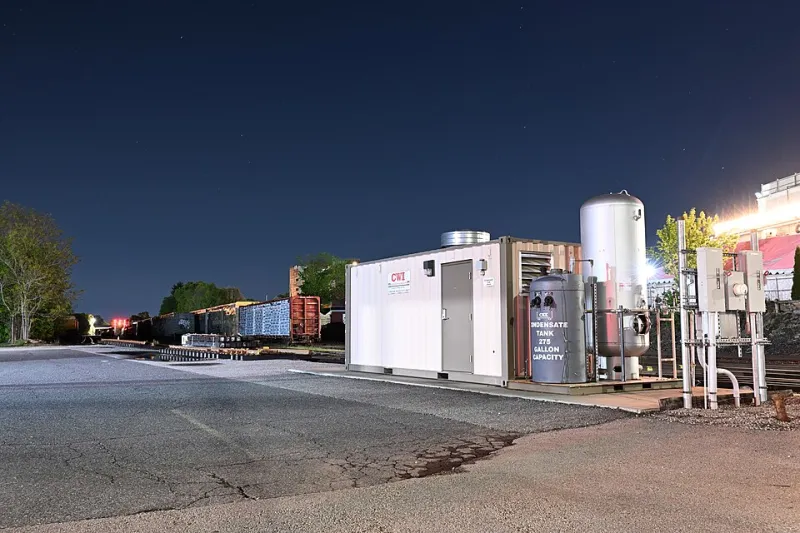
Photo: 4300streetcar, CC BY 4.0, via Wikimedia Commons
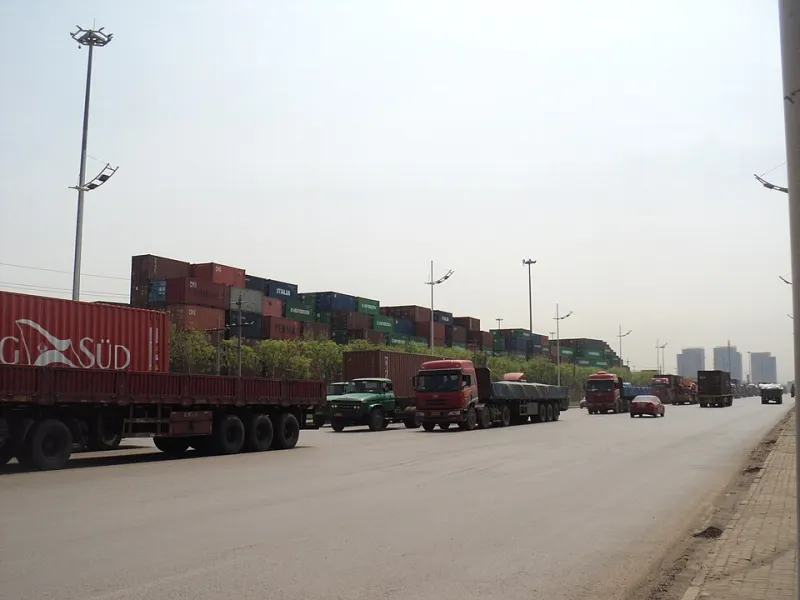
Port-centric operations run around the clock, and the yard is rarely silent. Reefers cycle, reach stackers reverse, container doors close and late vehicles queue at the gate. Most of this is normal industrial activity. The difficulty is that noise leaves the site even when the gate is closed, and the nearest neighbour may experience a single tonal reversing alarm more acutely than a continuous hum.
A night-noise audit is therefore an operational exercise as much as an acoustic one. It should identify the sources that matter after dark, place them against the planning condition and the complaint record, and test controls that change the reading rather than merely documenting the problem.
Why night noise is different
Background noise falls at night, so the same yard activity can stand out more. Temperature inversions can carry sound further than expected. Tonal and impulsive sounds, such as reversing alarms, container drops and metal-on-metal contact, are often more noticeable than their decibel level suggests. A daytime survey may miss the effect entirely.
Build a source map
Start with a plan of the yard, the boundary and the nearest noise-sensitive receptors. Mark the fixed plant: refrigeration units, generators, compressors, substations and any pneumatic equipment. Then mark the movement routes: gate lanes, reversing areas, container handling zones and rail sidings. Walk the site at night and log what is running, when, and for how long.
A calibrated sound level meter is useful, but the log is what makes the survey defensible. Record the time, the activity, the measurement point and the weather. Sample more than one night. Reefer peaks, vessel arrivals and weekend working can all change the picture.
Read the condition before measuring
The planning condition is the baseline. Check the limits, the hours, the measurement point and the metric. Some conditions refer to dB(A) at the boundary; others refer to a receptor or a specific night-time level. Section 106 agreements may add obligations. Statutory nuisance is a separate legal question, and the presence of a planning condition does not automatically answer it.
Review the complaint log alongside the condition. A complaint is not proof of breach, but it is evidence of impact. Map complaints to times, sources and weather. If the condition is vague, take advice before commissioning a full assessment.
Controls that change the reading
Engineering controls are often the most reliable. Acoustic screens or enclosures around fixed plant can help where the source is concentrated. Relocating a generator or compressor away from the boundary may be cheaper than enclosing it. Quieter reversing alarms, broadband rather than tonal, can reduce annoyance without removing the safety function. Maintenance matters: loose panels, brake squeal and worn bearings turn routine movements into distinctive noises.
Operational controls should be specific. Route vehicles away from the boundary where the layout allows. Restrict reversing close to the fence. Enforce speed limits and engine-off rules at waiting areas. Schedule noisy tasks away from the most sensitive hours. Use electric handling equipment where it is available and suitable. A night supervisor with authority to stop a noisy activity is more effective than a policy that nobody owns.
A practical audit sequence
The sequence is straightforward. First, review the planning condition, permits, site plan and complaints. Second, carry out a night survey at the boundary and, where access allows, at the receptor. Third, rank sources by contribution and by annoyance. Fourth, pilot the controls that are feasible and re-measure. Fifth, record the result and review it at least annually.
The output should be a short action list, not a report that sits on a shelf. Some controls will be cheap and immediate. Others will need capital. The point is to know which source is doing the damage and whether the control actually reduces it. A fence marks the boundary. It does not stop the sound.