Gate to Rack: Auditing the First 100 Metres of a Port-Centric Warehouse
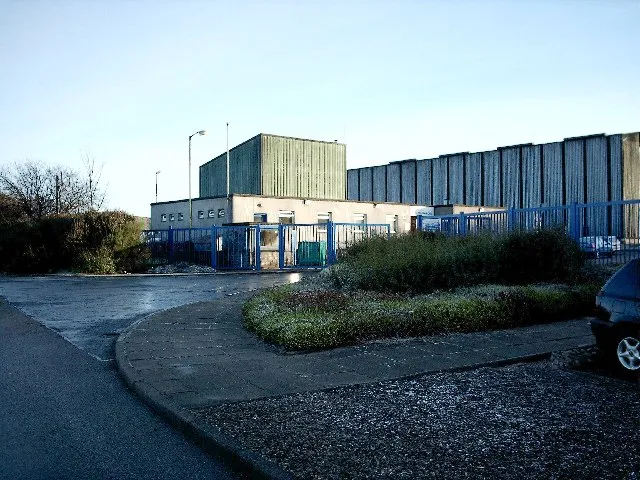
Photo: Christopher Gillan, CC BY-SA 2.0, via Wikimedia Commons
At a port-centric warehouse, the gatehouse is both a control point and a constraint. It is where booking slots, driver induction, seal checks, customs evidence and exception handling collide. When those activities are poorly sequenced, a queue forms within the first 100 metres and the warehouse inherits a day of unpredictable arrivals. The racking may be ready, the labour may be planned, but throughput has already been lost before the vehicle reaches the loading bay.
The first 100 metres should be treated as a process to be audited, not a gate to be staffed. The route runs from approach signage and booking recognition through check-in, paperwork validation, seal verification, driver induction and release into the yard. Each step needs a defined owner, a time standard and an exception route. In 2026, UK operators also need to account for customs and freeport-related data checks that can stop a vehicle even when the physical load is ready.
Map the process before measuring it
Begin with a walk-through at peak time. Follow a vehicle from the approach road to the point where it is released to a loading or unloading location. Record every decision point and every hand-off. Note where drivers wait, where paperwork is checked, where seals are inspected and where a vehicle can be held without blocking live lanes. The map should include pedestrian routes, gatehouse sightlines, lighting and signage.
Then add timestamps. A short audit should capture arrival time, booking confirmation, check-in completion, paperwork acceptance, seal check completion, induction completion and yard release. These timestamps reveal where delay accumulates. A gatehouse that appears busy may be efficient at check-in but slow at exception handling; another may process bookings quickly but create yard congestion because release is not coordinated with bay availability.
Build an arrival profile from real bookings
An arrival profile should plot bookings by half-hour, vehicle type, load status and haulier. Compare booked arrival with actual arrival. Separate imports, exports, empty returns and cross-dock movements, because each has a different paperwork and seal profile. Identify peaks, no-shows and recurring late arrivals. Use at least a representative week of data, and avoid relying on the loudest complaint from the previous shift.
The profile should inform slot capacity and staffing. If bookings cluster between 06:00 and 09:00 but labour is not available until 08:00, the gatehouse will hold vehicles regardless of how efficient its staff are. If customs holds are concentrated in one haulier or one commodity, the issue may belong upstream with the declarant rather than at the gate.
Set paperwork cut-off points before arrival
Paperwork should be validated before the vehicle reaches the gatehouse. Define cut-off points for booking reference, pre-advice, customs declaration status, seal number, driver induction and any freeport or customs evidence required for the movement. A late document should trigger an exception code rather than a queue. Digital pre-gate checks can help, but they need a fallback process for system failure and for drivers who arrive without the expected reference.
The cut-off should be realistic and communicated to hauliers. If a booking requires customs clearance by a certain time, state it plainly and enforce it consistently. Inconsistent enforcement teaches hauliers that the cut-off is advisory, and the gatehouse absorbs the resulting delay.
Enforce lane discipline and physical separation
The first 100 metres should separate arrival, check-in, seal inspection, holding and exit. Road markings, signage and barriers should make the route obvious without relying on a gatehouse operative to wave vehicles through. Avoid reversing in live lanes and keep the seal check area clear of queuing vehicles. Provide a safe waiting point for drivers who are not yet cleared, and ensure the gatehouse has sightlines to the approach and the seal bay.
Small physical changes often deliver more than additional staff. A clearer approach lane, a dedicated exception bay or a revised check-in window can reduce conflict between vehicles and pedestrians. The audit should record where drivers hesitate, where vehicles block each other and where paperwork is exchanged in unsafe or exposed conditions.
Introduce short escalation codes
Exception handling collapses when every problem is described in a phone call. Create a small set of escalation codes: paperwork mismatch, seal discrepancy, no booking, late arrival, customs hold, unsafe vehicle and induction failure. Each code should have an owner, a target response time and a defined resolution route. The gatehouse should record the code at the point of exception, not reconstruct it at the end of the shift.
Codes allow daily review. A rising count of seal discrepancies may point to a supplier or haulier issue; repeated customs holds may indicate a data quality problem in declarations. Escalation should be to a shift manager, customs liaison or haulier contact as appropriate, with a clear threshold for holding the vehicle versus releasing it to a designated bay.
Audit cadence for 2026
Review gate-to-rack time, exception rate, rework, vehicle detention and bay utilisation monthly. Conduct a deeper quarterly review of arrival profiles and paperwork cut-offs. Pilot changes in one lane or one booking window before rolling them out. Automation should follow process stability, not precede it. At a port-centric site, the first 100 metres set the rhythm for the whole operation; auditing them properly is a practical route to better throughput and fewer avoidable delays.