Facilities Are Throughput: A Winter Audit of Driver Provision at Port-Centric Sites
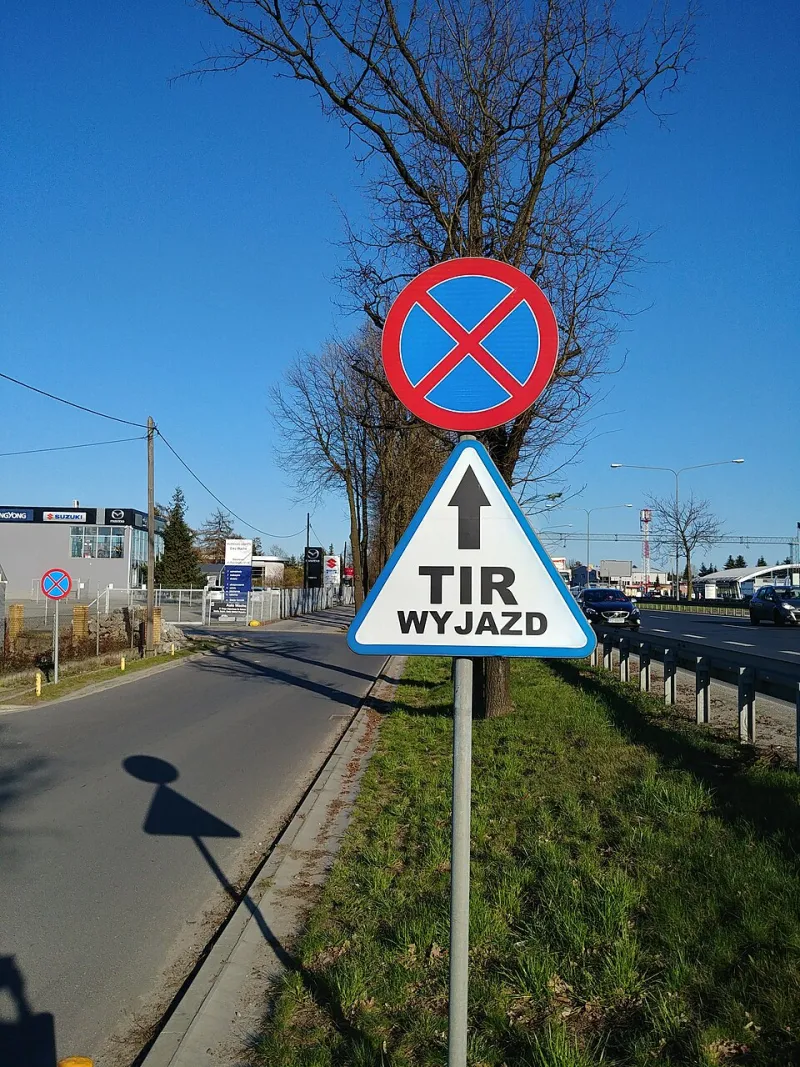
Photo: Cz ja, CC BY-SA 3.0, via Wikimedia Commons
In the weeks before a winter peak, port-centric warehouses tend to audit the things that move: yard capacity, racking utilisation, shift cover, the condition of the reach stackers. The things that wait are audited less often. Yet on most sites the constraint in December is not the crane or the forklift; it is the driver sitting in a cab outside the gate, unsure whether the load will be ready in twenty minutes or three hours.
That uncertainty has a price, and it is carried by somebody. Sometimes it is carried by the haulier as unpaid detention and a lost onward job. Sometimes it is carried by the warehouse as a missed slot, a rebooked collection and a customer who rings the following morning. Frequently it is carried by the driver as a shortened rest period and a rushed departure. Treating driver provision as infrastructure, rather than as a gesture, makes those costs visible and manageable.
The economics of an uncomfortable wait
Detention time is rarely invoiced in full. Most hauliers absorb a free period of two to three hours before charging, and many charge at rates that recover the cost of the vehicle rather than the value of the lost work. The result is that a site can appear to be running efficiently while quietly eroding the reliability of the fleet that serves it.
The arithmetic is straightforward. A tractor unit and trailer standing idle for an extra ninety minutes represents a lost onward movement, a driver's remaining duty time consumed, and a slot that another customer cannot use. Across a winter month, a modest daily overrun at the gate compounds into a pattern: hauliers begin to price the site as unreliable, allocate their older vehicles to it, or decline the short-notice collection altogether. None of that appears on a warehouse KPI. All of it appears in service levels.
Four domains worth inspecting
A useful audit divides driver provision into four areas, each of which can be observed rather than inferred.
1. The waiting environment
Inspect the area where drivers are asked to sit. It should be heated, lit, seated and separated from vehicle movements. It should have drinking water, somewhere to charge a phone, and a noticeboard that is actually current. Check whether the room is reachable without crossing a live traffic route, and whether it is reachable at all after dark. A waiting area that is locked at 22:00 is not a waiting area; it is a cab.
2. Sanitation and refreshment
Toilet and washing facilities should be available without a key, a code or a request at the gatehouse. This is a basic dignity issue and a legal one, but it is also a throughput issue: a driver who must walk five minutes to a staff block and wait for a supervisor will not attempt it during a short call. Record the distance, the opening hours and the cleaning regime. Where facilities are shared with site operatives, check that they are adequate for both populations at peak.
3. Communication and slot discipline
Measure how long it takes for a driver to learn the truth about their load. A site that cannot say whether a trailer is ready within fifteen minutes of arrival is a site that generates detention. Examine the booking system, the gatehouse script, the radio protocol and the escalation route when a load is not ready. Confirm who is authorised to tell a driver to stand down, and whether that decision reaches the driver before they have committed to a bay.
4. Overnight parking
For port-centric sites, the overnight question is unavoidable. Many drivers arriving on a late ferry or a westbound trunk run need a legal, secure place to take a reduced rest. Assess whether the site offers it, whether it is lit and monitored, and whether it is separated from the working yard. Where the site cannot provide parking, record the nearest alternatives and their realistic availability in winter. A driver who cannot park legally will park illegally, and the resulting fixed penalty and delayed restart become the site's problem by proxy.
Costing the gaps
An audit is only useful if it produces numbers. For each domain, attach a simple measure: minutes lost per arrival, failed collections per week, drivers who decline the site, night-out parking refusals. A worked example is instructive. If a site handles 120 arrivals a day and average turnaround exceeds the booked slot by 40 minutes, that is 80 vehicle-hours a day. Even at a conservative internal cost, the annual figure is substantial, and it does not include the onward work the haulier could not accept.
Set that against the cost of provision. A heated portacabin, two toilets, a vending machine and a marked parking bay are modest capital items. The comparison is rarely close. The difficulty is that the benefit lands on the haulier's balance sheet while the cost lands on the site's, which is precisely why the case must be argued in operational terms: reliability, slot adherence and the willingness of carriers to serve the site at short notice in peak weeks.
A seasonal protocol for 2026
Before the winter peak, agree a short protocol with the carriers who use the site most. It should specify the free period, the escalation contact, the circumstances in which a driver will be stood down, and the parking arrangements for late arrivals. Publish it at the gatehouse and in the waiting area. Then rehearse it on an ordinary week, when a mistake is cheap.
None of this is generous. It is the same discipline the site already applies to racking, fire suppression and yard flow, extended to the people who bring the cargo in and take it out. A driver who is warm, informed and able to park legally is a driver who returns next week. In a tight haulage market, that is not a courtesy. It is capacity.