Corrosion Before Collapse: A Salt-Air Audit for UK Port-Centric Warehouses

Coastal port-centric warehouses operate in an aggressive atmosphere. Salt-laden air settles on steel, enters door tracks, clings to electrical enclosures and accelerates corrosion wherever moisture lingers. The damage rarely announces itself. A racking upright may look sound until a fastener shows rust bloom; a roller shutter may operate smoothly until a guide rail seizes. For UK sites near estuaries, quaysides and exposed coastal roads, corrosion is a rate of decay that must be measured and managed, not a cosmetic issue to be painted over.
A salt-air audit should therefore begin with the question of where chloride deposition accumulates and where moisture remains long enough to drive electrochemical attack. It should not begin with a catalogue of coatings. The aim is to identify exposure, consequence and intervention priority, so that maintenance spend follows risk rather than asset count.
Start with a deposition map, not a walk-round
Before inspecting individual assets, mark up a site plan. Show prevailing wind direction, quayside-facing elevations, open loading doors, yard routes used by container handlers, washdown points, drainage runs and areas where standing water is known to collect. Add roof edges, canopy undersides, louvres and ventilation intakes. These are the places where salt can be deposited, concentrated by evaporation and re-wetted by condensation or rain.
A useful audit record combines visual evidence with maintenance history. Note rust bloom, coating blistering, pitting, staining around fasteners, corrosion at welded joints and white rust on galvanised surfaces. Photograph defects with a location reference. Where access permits, inspect concealed areas such as electrical containment, sprinkler pipework, roof fixings and racking beam locks. Corrosion in these locations is often more consequential than rust on a handrail.
Four inspection zones for a port-centric site
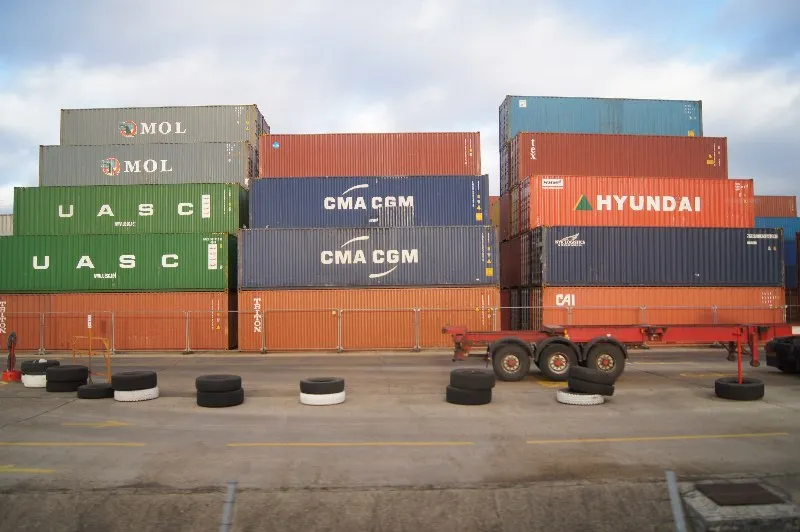
The first zone is external steel and weather envelope: shutters, door frames, canopies, stairs, walkways, external racking and cladding fixings. The second is internal structure near openings: racking uprights, structural columns, fire protection pipework and electrical cabinets exposed to draughts, mist or vehicle spray. The third is yard and handling equipment: container handlers, terminal tractors, trailers, chargers and mobile plant. The fourth is concealed services and safety systems, where corrosion can compromise fire protection, lighting or power distribution before it is visible in daily operations.
Each zone should have a named owner and an inspection frequency linked to exposure. High-exposure assets facing the quay or sitting in frequent washdown areas will usually need quarterly inspection. Moderate exposure may justify six-monthly checks. Low-exposure internal assets can be annual, provided the audit is genuinely recorded and not treated as a paperwork exercise.
Coatings, lubricants and the maintenance calendar
Coating schedules should be asset-specific. High-exposure steel needs correct surface preparation, compatible primer and topcoat, and a touch-up regime that addresses damage before rust spreads beneath the film. Galvanised surfaces require inspection for white rust and mechanical damage; painting over a failing coating without preparation simply hides the problem. Lubrication should cover shutter guides, hinges, locks, chains and moving parts on yard equipment, using products suited to coastal conditions and applied without attracting excessive dust or grit.
A maintenance calendar should distinguish cleaning from protection. Regular washing removes salt deposits, but it must be followed by adequate drying and touch-up where coatings have failed. Drainage clearance matters as much as coating specification: water trapped at a base plate or door threshold will defeat a good paint system. The calendar should also include post-storm inspections, because a single severe weather event can deposit salt and drive moisture into newly vulnerable areas.
Spares strategy and maintenance triggers
Spare-parts planning should reflect criticality and lead time. Fast-moving consumables might include anti-corrosion spray, fasteners, shutter rollers, guide brushes and electrical enclosure gaskets. Longer-lead items such as shutter springs, specialised racking components or proprietary control enclosures need a documented replacement route before failure occurs. Holding every conceivable spare is not efficient; holding the items that protect safety, weather-tightness and throughput is.
Maintenance triggers should be explicit. Rust bloom on a load-bearing racking component should prompt an engineering assessment, not a touch-up. A shutter that becomes slow or noisy should trigger inspection of tracks, rollers and guides. Pitting on an electrical enclosure should lead to replacement or improved protection. Recurring fastener corrosion may indicate that the fixing specification, not the coating, needs changing. Triggers convert observation into action and prevent small defects from becoming capital projects.
Prioritising spend without gold-plating every asset
Not every surface needs a premium coating system. A sensible prioritisation scores assets by safety consequence, operational criticality and exposure. Load-bearing racking, fire protection, electrical infrastructure and weather-tightness should come first. Cosmetic panels and low-risk internal fittings can wait. Targeted interventions often outperform blanket spending: drip shields, local enclosures, improved ventilation, better drainage and washdown controls can reduce exposure at modest cost.
Where assets are due for replacement, material substitution may be more economical than repeated coating repair. Stainless fasteners, improved galvanising, sealed enclosures and corrosion-resistant fixings can lower lifetime maintenance in exposed positions. The audit should feed a capital plan, not just a job list.
Turning the audit into a 2026 action register
The output should be an action register: asset reference, zone, exposure rating, defect description, photograph, required intervention, owner, target date and spares requirement. Review it after winter and before peak periods. Salt air is a constant at UK port-centric sites; the purpose of the audit is to make its effects predictable, budgeted and controllable rather than sudden.