Evidence Before Assurance: Auditing Pest Control Records at Port-Centric Food Warehouses

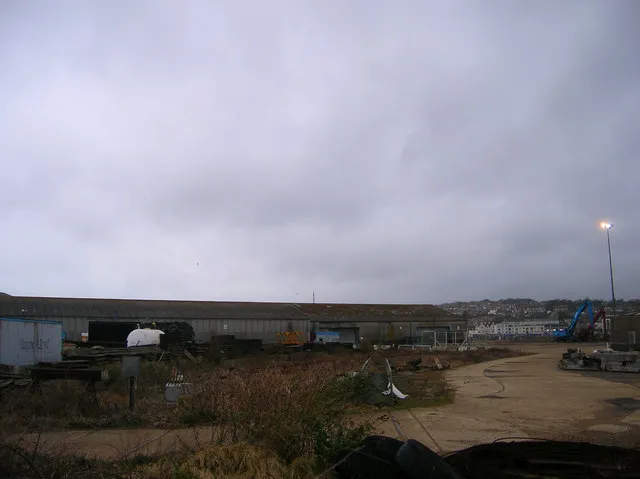
Photo: warehouse pest control bait station inspection clipboard, via www.icecleaning.co.uk
Port-centric food and beverage warehouses operate in an environment that rarely gives pest pressure a quiet season. Docks, rail sidings, scrubland, waste compounds and constant vehicle movement create continuous exposure. Rodents follow hardstanding and drainage; insects arrive on pallets, in warm voids and through open loading bays. A pest-control contract is therefore not a background service. It is part of the operational control system, and it needs to be audited as such.
Why proximity changes the risk profile
A warehouse several miles inland can often rely on a perimeter that is relatively sterile. A port-centric site cannot. The surrounding estate is working infrastructure: containers, trailers, spillage, standing water and vegetation at the fence line. Cargo itself is a vector. Imported pallets and packaging can carry insects or rodent harbourage into the building. Pressure is continuous rather than seasonal, and the evidence file should reflect that reality.
Certificate versus evidence
A certificate of pest control is a record that a visit took place. It is not proof that bait stations were inspected, that findings were reported, that defects were closed or that trends were reviewed. Auditors — whether from the port health authority, a retailer technical team or a certification body — increasingly test the connections between those records. They ask whether the map matches the floor, whether the log matches the visit report, whether the report produced an action, and whether the action was verified. A certificate opens the conversation. The evidence trail sustains it.
The four records that carry the argument
Bait station map. The map should be numbered, dated and revision-controlled. It must match the physical layout, including external perimeter stations and internal strategic points such as intake areas, racking ends, welfare spaces and void access points. If racking has moved or a new chiller has been installed, the map should show it. A map that has not been revised since the last layout change is a finding in waiting.
Trend logs. Counts by station, species and date are more useful than a simple statement that activity was low. Zeroes matter because they show the station was checked. Spikes matter because they should trigger a response. The log should identify who reviews it, how often, and what threshold prompts escalation. A log that is completed but never reviewed is a diary, not a control.
Contractor visit reports. Reports should be signed, dated and specific. “Serviced” is not a finding. Station-by-station notes, bait consumption, evidence of activity and recommendations are. The report should be cross-referenced to the map so that an auditor can trace a station from drawing to physical location to visit note.
Proofing defects and corrective actions. Door gaps, damaged cladding, unsealed service penetrations, drainage defects and failed air curtains are common entry routes. Each defect should have an owner, a target date and closure evidence — a work order, a photograph or a signed-off inspection. Open defects that recur across visits indicate that the system is recording problems without resolving them.
What auditors actually test
Auditors test consistency. They compare the map with the floor. They compare the trend log with the contractor report. They compare the report with the corrective action log. They compare the action log with closure evidence. A station on the map but absent from the report is a gap. Activity in the trend log with no follow-up is a gap. A proofing defect recorded in three consecutive visits is a system failure. The audit is not looking for perfection; it is looking for a functioning loop.
A practical pre-inspection checklist
- Walk the external perimeter with the current map. Verify station numbers, condition and secure fixing.
- Check internal stations at intake, racking ends, welfare areas and void access points. Confirm they are present and accessible.
- Compare the latest contractor report against the trend log. Reconcile any station that appears in one record but not the other.
- Review twelve months of trend data. Confirm that reviews are documented and that escalation thresholds have been applied.
- List open proofing defects. Check owner, target date and closure evidence. Verify closed items with photographic or work-order proof.
- Confirm bait type and placement comply with label instructions and site restrictions, particularly around open food and packaging.
- Verify contractor competence and documentation: registration with a recognised trade body, insurance, method statements and risk assessments.
- Check that corrective actions from previous audits and internal inspections have been closed and verified.
- Confirm that staff have a route to report pest sightings and that reports are passed to the contractor and logged.
- Review waste management, spill control and pallet storage. These are pressure points, not housekeeping details.
- Check training records for those who inspect stations, complete logs or escalate findings.
- Prepare a one-page evidence index for auditors: map, log, reports, actions, closures, training and contractor documents.
The operational habit
The strongest pest-control evidence files are maintained monthly, not assembled annually. Someone should own the reconciliation between map, log, report and action. Layout changes, new product lines and building works should trigger a review rather than a later correction. Digital copies should be accessible at short notice, and physical records should be available at the gatehouse or operations office.
For port-centric food warehouses, pest control is demonstrated by the record of decisions and closures. Bait stations do not audit themselves. The evidence trail does.