Wood, Debt, and the Gate: Auditing Pallet Exchange in Port-Centric Warehousing

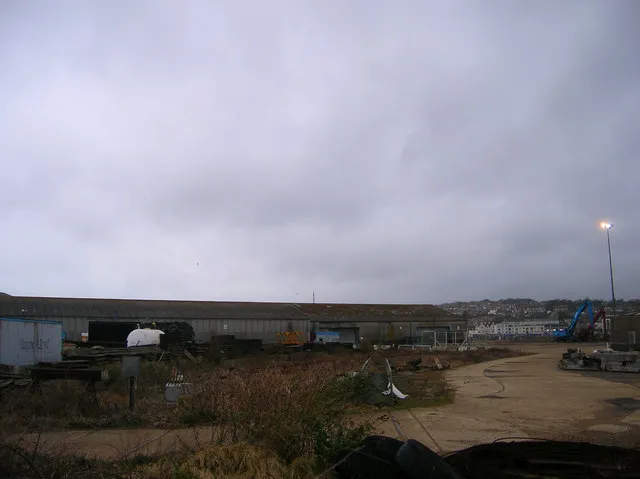
Photo: W.carter, CC0, via Wikimedia Commons
Pallet exchange looks like a goods-in formality. A vehicle arrives, pallets are counted, a note is signed, and the load is tipped. At a port-centric warehouse, however, that simple exchange sits inside a much more complex flow: mixed hauliers, transloads, de-stuffing, cross-docking, and onward distribution. Pooled pallets move through the gate in both directions, and their balances drift. By the time CHEP or EPAL loss charges appear on a statement, the physical evidence has usually left the site. In 2026, with pallet hire costs and dispute volumes under pressure, the exchange needs to be audited as a stock and liability process, not treated as a by-product of receiving.
Start with the Ledger, Not the Stack
A pallet audit begins with the account, not the yard. Obtain the current pooled-pallet statement for each scheme in use, whether CHEP, EPAL, or a smaller pool operator. Establish the opening balance, the transactions issued and returned, the loss charges applied, and any adjustments or credits. Then ask a simple question: can the warehouse account for the difference between the statement and its own records?
The answer is often no, because the site has been counting pallets physically without maintaining a parallel ledger. A robust control treats pooled pallets as a separate inventory class with its own unit of account: pallet type, scheme, condition, and location. White wood, pooled pallets, and customer-owned pallets should never be merged in a single count. A mixed stack in the yard is not an auditable balance; it is a future dispute.
Inbound: What Arrives with the Goods
The inbound exchange is where most leakage begins. When a vehicle is tipped, the pallets under the load become the warehouse’s responsibility only if the exchange note has been completed correctly. The audit should sample inbound notes against gatehouse records and the physical count at de-stuffing. Are pallet quantities recorded separately from carton or unit counts? Is the scheme identified? Is the condition noted? Are damaged pallets excluded from the exchange or accepted with a clear damage record?
Port-centric sites often receive from overseas or from inland consolidation centres where pallet quality varies. A driver may present a mixed load of CHEP, EPAL, and unmarked wood. If the gatehouse records only a total pallet count, the scheme liability is already blurred. The audit should test whether inbound clerks can distinguish scheme pallets from non-scheme pallets, and whether they have authority to reject contaminated or damaged pooled pallets at the point of receipt.
Outbound: What Leaves and Who Signs
Outbound exchange is equally important. When goods leave the warehouse, pallets may be issued to a haulier, returned to a pool, or transferred with the customer’s own stock. Each movement needs a transaction, not just a signature at the gate. The audit should reconcile outbound notes with the pallet ledger and with the pool operator’s transaction record. Are returns being booked on the same day as dispatch? Are hauliers signing for pallet quantities as well as goods? Is there a process for correcting a note after the vehicle has left?
A common weakness is the “open” exchange note: pallets are counted at dispatch but the return transaction is not completed until the next shift, or the next week. In the interim, the balance is neither physical nor accounting truth. At a high-throughput port-centric site, that gap can accumulate quickly. The audit should measure the ageing of unmatched pallet transactions, not only the total balance.
Leakage Points at the Gate
The gate is the most visible control point and the most frequent point of loss. The audit should observe live exchanges, not just review paperwork. Are pallet counts taken before the vehicle is allowed to leave? Are drivers asked to confirm scheme pallets separately? Is there a dedicated area for rejected or damaged pallets so they do not re-enter the exchange flow? Are gatehouse staff trained to spot the difference between a CHEP pallet, an EPAL pallet, and a lookalike?
Another gate-level risk is the informal exchange. A haulier arrives without paperwork, a warehouse operative swaps pallets to keep the vehicle moving, and the transaction is recorded later from memory. The audit should test whether any pallet movement can occur without a system entry. If it can, the ledger is already unreliable.
Leakage Points in the Yard and Racking
Not all loss occurs at the gate. Pallets are mislaid in the yard, absorbed into racking, used for housekeeping, or broken and discarded without a damage record. The audit should walk the yard and the racking with the pallet ledger in hand. Are there pallets in the racking that are not associated with a live stock line? Are there stacks in corners that have no owner? Are damaged pooled pallets being repaired on site rather than returned to the pool operator under the correct process?
Port-centric warehouses often hold pallets for onward distribution, which means they can sit in the yard for days. The audit should test whether yard locations are recorded and whether pallets are included in cycle counts. A pallet that is physically present but not in the ledger is an accounting loss waiting to happen. A pallet that is in the ledger but not physically present is a charge waiting to be issued.
Liability Is a Chain of Custody
Pooled pallet liability follows custody, not ownership. The warehouse may not own the pallets, but it can become liable for them once they are accepted into its control. The audit should review the contractual terms for each pool scheme and each customer. Who is responsible for loss or damage between the gate and the rack? Who bears the cost of a missing pallet? What evidence is required to dispute a charge? Are hauliers covered by the same terms as the warehouse?
Liability rules are often assumed rather than documented. A customer may believe the warehouse is responsible for all pallets on site, while the warehouse believes the customer retains the risk until dispatch. The audit should surface those assumptions and align them with the exchange notes, the customer contract, and the pool operator’s terms. Without that alignment, a loss charge becomes a negotiation rather than a reconciliation.
Controls That Hold
Effective pallet control is not complicated, but it must be consistent. The first control is a separate pallet ledger, updated at the gate and reconciled daily. The second is a physical count discipline, with cycle counts that include yard and racking locations. The third is a damage and rejection process that prevents non-conforming pallets from entering the exchange. The fourth is driver and gatehouse training, so that scheme identification and quantity confirmation are routine. The fifth is a monthly reconciliation with the pool operator, including ageing of unmatched transactions and a clear dispute route.
At a port-centric warehouse, these controls should be integrated with the warehouse management system rather than run as a spreadsheet exercise. The pallet ledger should be visible to goods-in, goods-out, and finance. Loss charges should be coded to the party responsible, not absorbed into general overhead. That visibility changes behaviour: pallets stop being background packaging and become a managed cost line.
A Monthly Discipline
The audit should conclude with a monthly pallet review. Compare the pool statement to the internal ledger, sample inbound and outbound notes, walk the yard, and test a small number of high-risk transactions. Record the value of unresolved balances and the age of the oldest unmatched item. Then ask whether the controls are operating or merely documented.
In 2026, pallet exchange is unlikely to become less complex. Port-centric supply chains are moving more mixed loads, more returns, and more pooled equipment through the same gates. The warehouses that control that flow will be the ones that treat pallets as inventory and liability, not as wood. The others will keep paying for pallets they cannot find, and for a problem they cannot explain.