Segregation Is a Map, Not a Certificate: Auditing Dangerous Goods in Port-Centric Warehouses
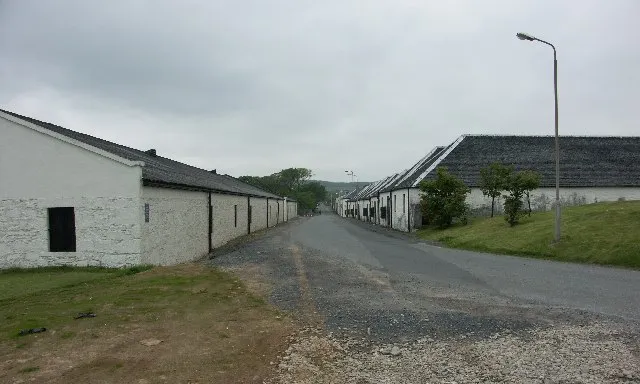
Photo: J M Briscoe, CC BY-SA 2.0, via Wikimedia Commons
Port-centric warehouses rarely begin with a clean dangerous goods profile. A site built around one tenant's import flow can acquire a second or third cargo mix as contracts change, and the result is a building whose paperwork and physical reality drift apart. The storage licence, the DG register and the fire plan may all appear to be in order, yet a Class 3 pallet can sit within metres of an oxidiser because a pick face was re-slotted during a busy week. In 2026, with insurers, customers and regulators asking sharper questions about operational assurance, the segregation audit has to start with what is actually on the floor.
Begin with the stored reality, not the storage licence
A licence or permit tells you what the site is allowed to hold. It does not tell you what is in aisle six at 06:30 on a Tuesday, nor what has been left in a transit lane overnight because a haulier missed its slot. The first step is to reconcile the declared dangerous goods register against the warehouse management system and the physical locations. That means extracting every location holding a DG item, not just the dedicated DG bay, and walking the site with that extract in hand.
The walk should cover pick faces, reserve locations, transit lanes, overflow areas, quarantine and returns. It should also include the awkward spaces that tend not to appear on a design plan: the end of a racking run, the area behind a charging station, the corner used for damaged pallets awaiting assessment. Mixed cargo profiles often put incompatible goods closer together in these places than any formal plan suggests.
The three geographies that matter
Segregation is usually discussed as a matter of distance, but in a working warehouse it is better understood as a matter of geography. The first geography is the pick face, where fast-moving goods are placed for efficiency rather than hazard separation. The second is the transit lane, where goods wait between receipt and putaway, or between picking and dispatch. The third is overflow storage, where seasonal or slow-moving stock is parked wherever space allows. Each can undermine a segregation plan that was designed around the main storage grid.
A pick face may hold small quantities that fall below a threshold on paper, but the same product may be replenished several times a day. A transit lane may be treated as temporary, yet temporary positions can become permanent by habit. Overflow storage is especially prone to drift because it is often managed by space rather than by class. The audit should map these three geographies separately and then compare them with the emergency plan, the signage and the training records.
Paper versus position: a practical reconciliation
A useful reconciliation is a simple matrix: declared DG class against actual location, quantity and packaging. It does not need to be complex, but it does need to be honest. For each high-risk pairing, check whether the distance, barrier or separation is genuine and maintained. Look at ventilation, drainage, fire load and access for emergency services. Confirm that location flags in the WMS prevent putaway into incompatible bays, and that the flags are updated when a product's classification or packaging changes.
The matrix should also expose the difference between design intent and operational habit. A site may have a dedicated DG bay, but staff may use it for non-DG overflow when pressure rises. A hold area may be marked on a plan, but the physical demarcation may have worn away. Signage may be correct at the gate but missing at the rack. These are not trivial housekeeping points; they are the evidence an insurer or customer will use to judge whether the management system works in practice.
Test the handover, not just the handbook
Dangerous goods segregation depends on people making the right decision at the right moment. That makes shift handovers a critical control. Ask a picker where a Class 8 item is stored and whether it can be placed near a Class 4.1 product. Ask a shift supervisor what happens when a damaged pallet is discovered with an unclear label. Ask a gate clerk how a haulier's DG declaration is checked against the booking. The answers will reveal whether the plan is understood or merely filed.
The audit should also test the emergency plan against the real layout. Are spill kits located where the risk actually is, rather than where the original design placed them? Do evacuation routes avoid transit lanes that are routinely blocked? Does the fire service pre-plan reflect the current racking configuration and overflow areas? If the plan still describes a warehouse that no longer exists, the gap is an operational assurance issue, not a documentation issue.
Correct the map, then keep it current
The output of the audit should be a corrected segregation map and a short list of controls that can be maintained. That may include physical barriers, dedicated DG bays, pick-face limits, putaway rules, clearer rack signage and a handover checklist that requires confirmation of any DG movement. It should also include a review trigger: a new customer, a change in cargo profile, a peak season or a near miss should prompt a fresh walk rather than a wait for the annual review.
In 2026, scrutiny is unlikely to ease. Shippers want assurance that their goods are not exposed to avoidable risk, insurers want evidence that controls are live, and regulators want to see that the site understands its own layout. The certificate has its place, but it is the map, the signage and the handover that show whether segregation is actually being managed.