PD Portcentric Logistics Operational insight for UK port-centric supply chains

PD Portcentric Logistics

Operational insight for UK port-centric supply chains

Latest Articles

Dry Runs for Wet Weather: Rehearsing Flood Response at UK Port-Centric Warehouses
Port Operations

Dry Runs for Wet Weather: Rehearsing Flood Response at UK Port-Centric Warehouses

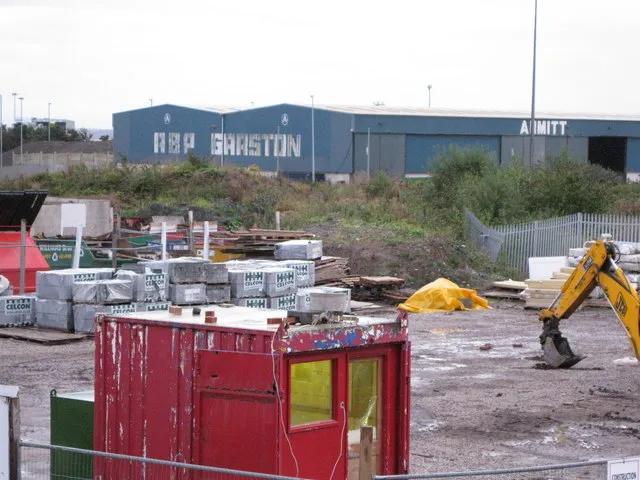
Port-centric warehouses are located near water for sound commercial reasons, but that proximity creates tidal, pluvial and surface-water exposure that is often tested only in the middle of an incident. This article sets out a practical 2026 rehearsal framework covering drainage, stock elevation, isolation, insurance assumptions and evacuation sequencing.
Counting the Queues: A Yard-Flow Audit for Port-Centric Warehouses
Port Operations

Counting the Queues: A Yard-Flow Audit for Port-Centric Warehouses

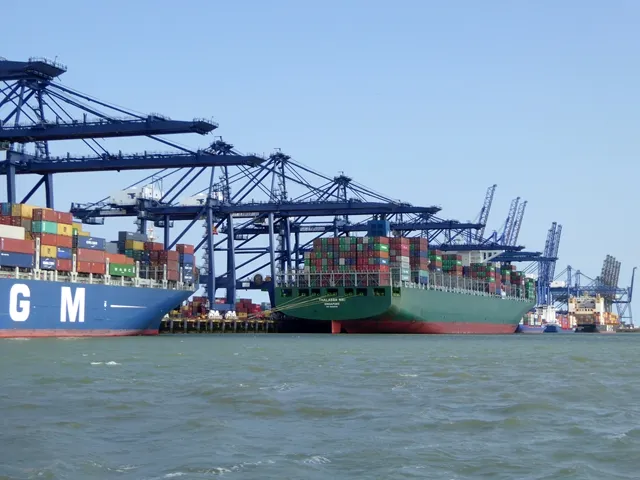
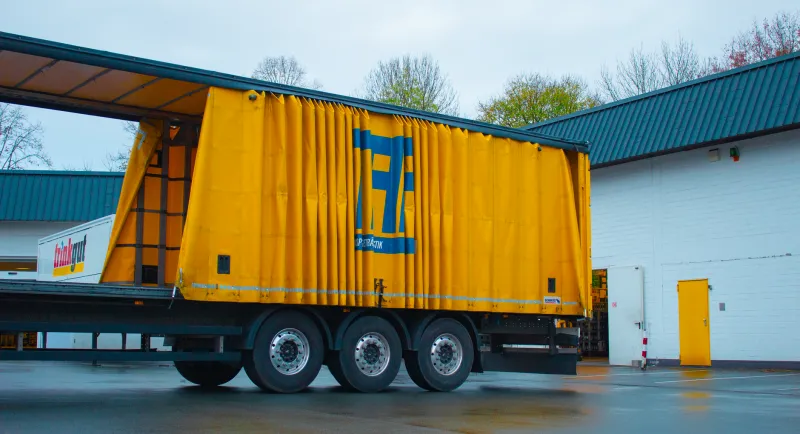
Yard congestion is often treated as a symptom of a busy port, but it is usually a measurable design and scheduling problem. This audit framework helps shippers and supply-chain managers assess trailer parking, turnaround time and the port-to-dock handoff before delay reaches the rack.

Weight Is a Flow Problem: Axle-Load Control in Port-Centric Warehousing
Port Operations

Weight Is a Flow Problem: Axle-Load Control in Port-Centric Warehousing

A weighbridge at the gate is not, by itself, a load-control system. For UK port-centric warehouses, axle-load compliance depends on how trailers are planned, sequenced and handed off long before the port exit. This audit framework treats weight as a flow variable to be designed into the warehouse, not a formality to be discovered at the final checkpoint.

Clearance at the Chokepoint: A Broker Capacity Audit for Port-Centric Warehouses
Freeports and Customs

Clearance at the Chokepoint: A Broker Capacity Audit for Port-Centric Warehouses

Customs brokerage is a capacity-constrained operational service, not an administrative afterthought. This audit helps UK shippers and port-centric warehouse teams test declaration throughput, document readiness, escalation and fallback cover before peak volumes expose the gap.

Before the Peak, the People: A Practical Skills Audit for Port-Centric Warehouses
Port Operations

Before the Peak, the People: A Practical Skills Audit for Port-Centric Warehouses

Port-centric warehouses can absorb volatile cargo flows only if their teams can move between receiving, put-away and dispatch. This audit framework helps operators map evidence-based skills, expose single points of failure and build cross-training that holds when peak season arrives.

The Suspended Ledger: Auditing Bonded Warehousing in UK Port-Centric Supply Chains
Freeports and Customs

The Suspended Ledger: Auditing Bonded Warehousing in UK Port-Centric Supply Chains

Duty and VAT suspension can release working capital, but bonded warehousing is an operating model rather than a label. This review sets out how port-centric operators should test eligibility, design compliant zones and avoid the record-keeping failures that convert a cash-flow gain into a customs liability.

Gate to Rack: Auditing the First 100 Metres of a Port-Centric Warehouse
Freeports and Customs

Gate to Rack: Auditing the First 100 Metres of a Port-Centric Warehouse

Throughput often fails at the gatehouse before freight reaches the racking. This step-by-step audit covers arrival profiles, paperwork cut-off points, lane discipline and escalation codes for UK port-centric shippers and warehouse operators in 2026.

Corrosion Before Collapse: A Salt-Air Audit for UK Port-Centric Warehouses
Port Operations

Corrosion Before Collapse: A Salt-Air Audit for UK Port-Centric Warehouses

Salt-laden air attacks racking, shutters, yard equipment and container-handling gear long before a structural defect becomes visible. This operational audit sets out inspection zones, coating and lubrication schedules, spare-parts planning and maintenance triggers for UK port-centric sites in 2026.

The Quayside Thermostat: Auditing Cold Storage That Was Never Purpose-Built
Freeports and Customs

The Quayside Thermostat: Auditing Cold Storage That Was Never Purpose-Built

Perishable food and pharmaceutical volumes through UK ports are rising, but much of the cold storage serving them began life as ambient shed. This audit framework examines envelope integrity, refrigeration redundancy, monitoring evidence and the customs and compliance layer that port locations make unavoidable.

Port Operations

Idle Machinery: Auditing Cargo Flow Before Automating a Port-Centric Warehouse

Automation business cases are usually built on assumed throughput rather than measured flow. Port-centric warehouses, with their irregular arrivals and short dwell times, are particularly poor candidates for that assumption — which is why a flow audit should precede any capital commitment.

When the Port Stops: A 2026 Playbook for Port-Centric Warehouses Facing Sudden Closure
Freeports and Customs

When the Port Stops: A 2026 Playbook for Port-Centric Warehouses Facing Sudden Closure

Storm closures, fog, industrial action and cyber incidents can strand stock, labour and customs paperwork at short notice. This 2026 playbook sets out the pre-agreed routes, holding capacity and communication discipline that port-centric warehouses need before the next disruption.

Beyond the Receipt: Managing Empty Container Returns at UK Port-Centric Warehouses
Port Operations

Beyond the Receipt: Managing Empty Container Returns at UK Port-Centric Warehouses

Inbound design still dominates port-centric warehouse planning, while empty-container returns and outbound dispatch are left to daily improvisation. A more disciplined approach to yard layout, depot selection and dispatch timing can reduce detention exposure and protect service levels for UK shippers.

Rails in the Hinterland: The Case for Inland Ports in UK Port-Centric Supply Chains
Port Operations

Rails in the Hinterland: The Case for Inland Ports in UK Port-Centric Supply Chains

Inland ports and rail-connected warehouses are no longer fringe alternatives for UK shippers. This operational review sets out where rail-linked hinterland sites outperform quayside-only models, and the criteria that should govern the decision.

Demurrage by Design: Re-Engineering Port-Centric Warehouses to Stop Funding Delay
Freeports and Customs

Demurrage by Design: Re-Engineering Port-Centric Warehouses to Stop Funding Delay

Demurrage and detention are often treated as unavoidable port costs. In many UK port-centric operations they are designed in through warehouse layout, appointment rules and late customs handoffs. This operational argument sets out the fixes.

Proximity Is Not Performance: A Five-Metric Audit for UK Port-Centric Warehouses
Port Operations

Proximity Is Not Performance: A Five-Metric Audit for UK Port-Centric Warehouses

Moving stock next to a UK port can cut inland haulage, but it can also hide extra handling, storage and labour cost. This audit sets out five operational metrics that let shippers judge port-centric warehouses on flow rather than postcode, with practical benchmarking guidance for UK port clusters in 2026.

Freeport Status Is a Tool, Not a Strategy: A 2026 Warehouse Due-Diligence Checklist for UK Shippers
Freeports and Customs

Freeport Status Is a Tool, Not a Strategy: A 2026 Warehouse Due-Diligence Checklist for UK Shippers

A UK freeport can reduce duty exposure and simplify some customs flows, but it is not a substitute for network design. This checklist helps shippers test customs treatment, rent, labour, port access, inland distribution and exit flexibility before a freeport warehouse is allowed into the 2026 supply-chain plan.